University Care Student
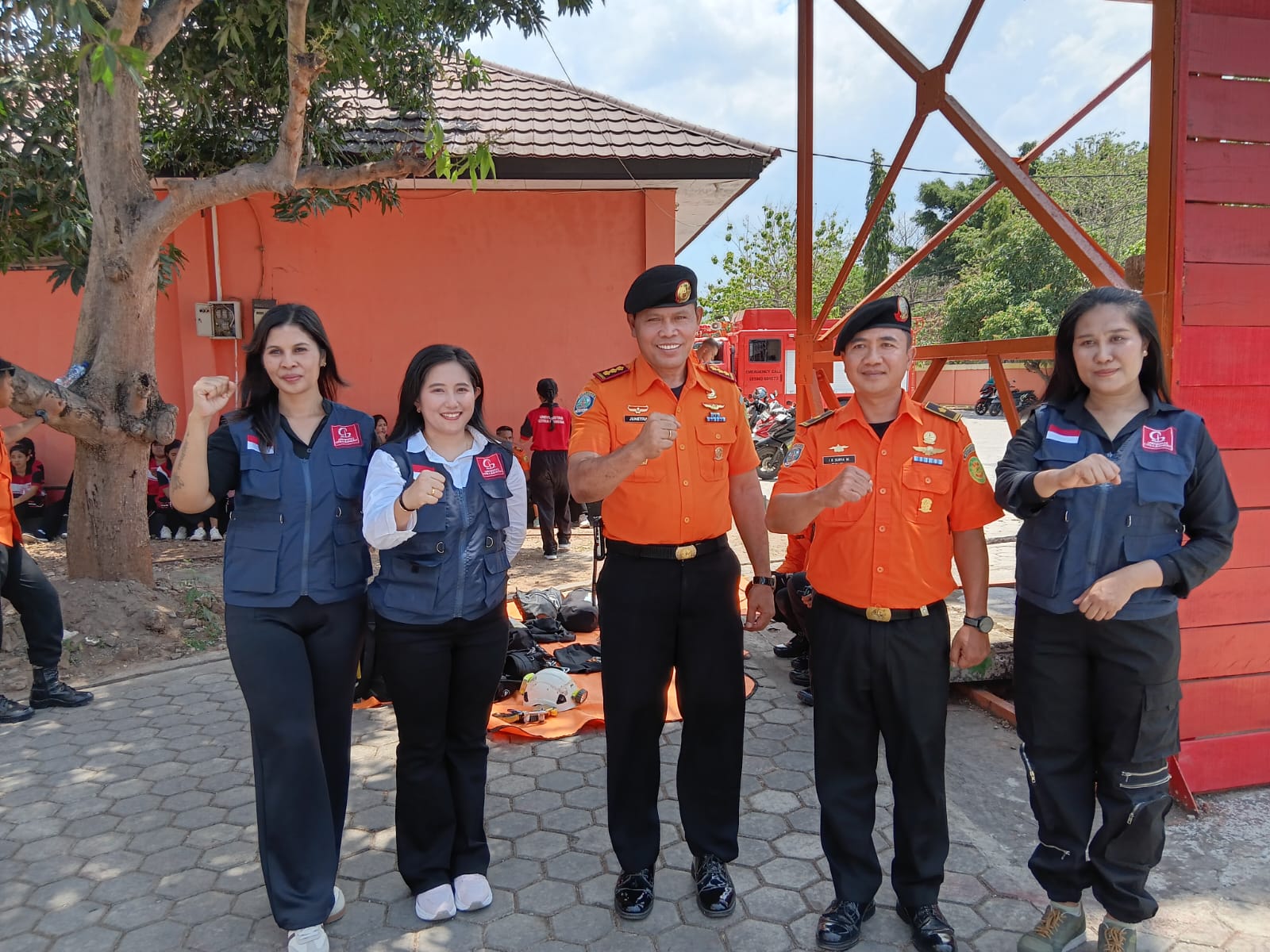
Citra Bangsa (Laughter)UCB) Kupang underwent field-rescue and evacuation techniques training at the Search and Rescue Office of Class A Kupang.So it is justified that the Head of the Class A Search and Rescue Office
Kupang, I Made Junetra, S.H., M.M., on Monday (02 / 11 / 2026).According to Junetra, this training was designed to establish synergy between nursing medical abilities and field rescue techniques in disaster handling.
Junetra explains that the training followed by a total of 255 participants divided into four stages of execution, where each group consists of about 60 students.
"The nursing student has a very good theory and medical understanding. Through this collaboration, we combine those medical skills with field engineering that the Basarnas have," say Junetra.
In this activity, according to Junetra students get direct materials and practices guided by the Rescuer instructor Basarnas
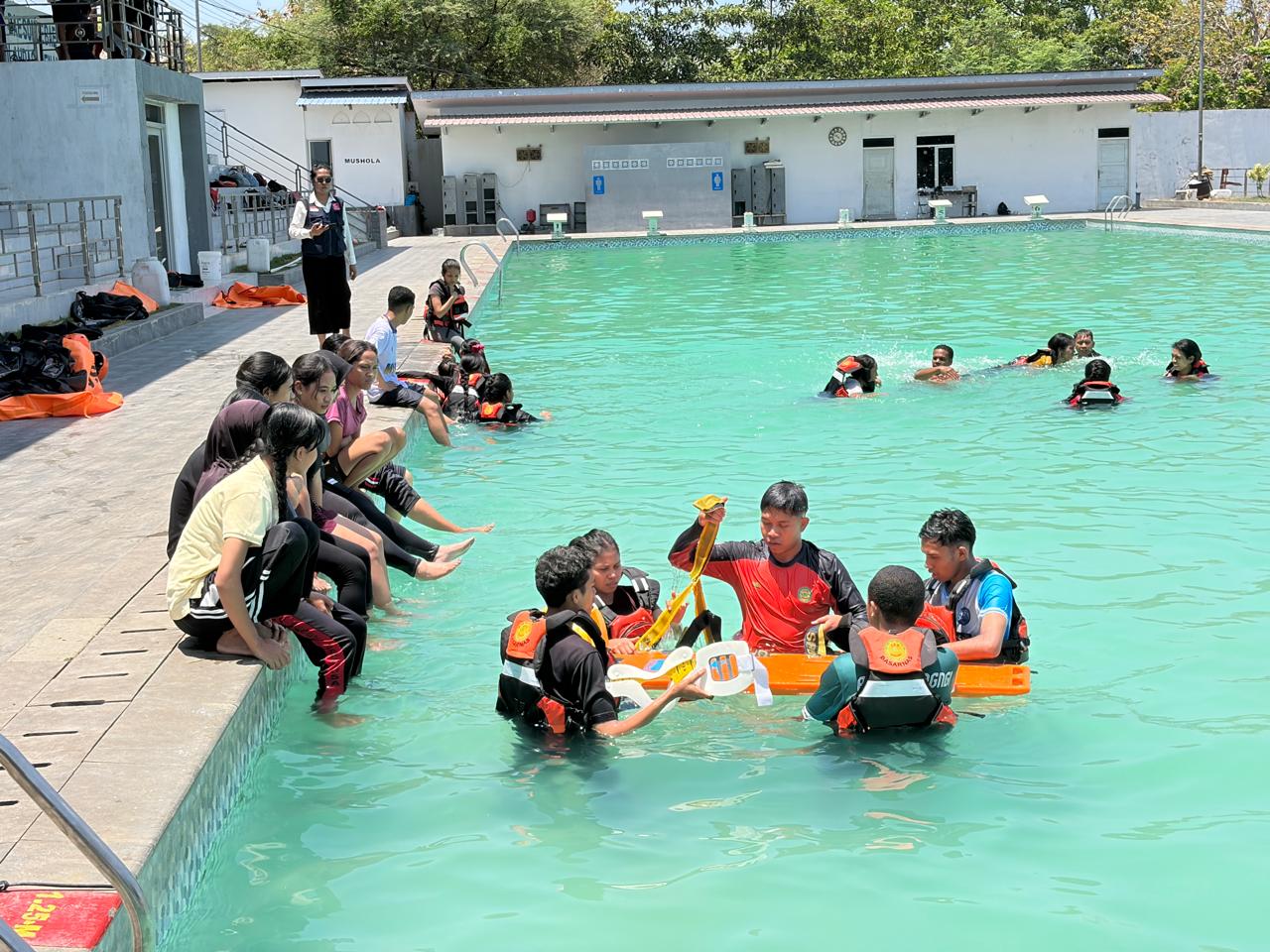
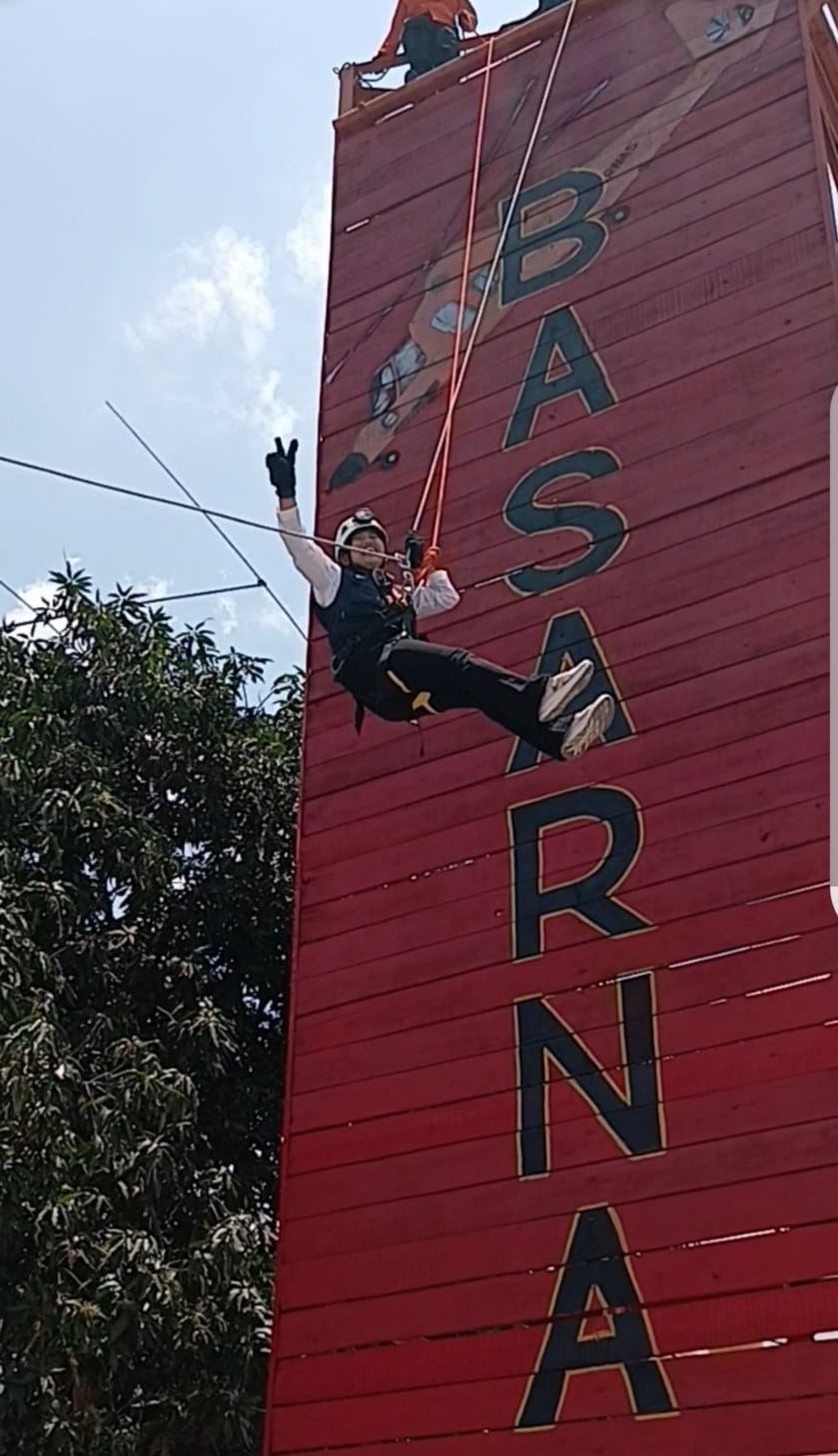
Kupang. Designation includes rescue techniques at altitude (rappelling), handling injuries on cliff evacuation activities, to the emergency treatment of victims in the water.Junetra, the importance of collaboration and division of clear roles in the field is that people's relief process is effective without overlapping handling.
"When there's a disaster, this synergy is crucial. Rescue and medical personnel must run in tune. We provide them so that when they arrive at the bottom or the evacuation site, the emergency measures and the injury assessments can be performed quickly and precisely," obviously Junetra.
The training sequence for each group will end with an integrated field simulation. In these simulations, students are charged with applying a combination of nursing science that was obtained in college with Basarnas evacuation techniques.
Well, through this simulation, we want to see how much matter can be absorbed and combined. Hopefully, when they're in the field someday, they're ready to provide the best service to society in case of emergency or disaster, "Junetra says.
Theory Enforcement
To the Chairman of the Attending Student Representatives
UCBMarianus Valentianus says that intensive training lasts for four days, in order to conserve potential medical personnel with practical skills in the field.We spent four days in Basarnas studying a lot of technical matters concerning disaster victims, "Marianus said.
In the course of training, students are getting a wide variety of crucial material about emergency care. Some of them include fast-pinning patients - especially to prioritize the victims with special needs - as well as the travel methods of patients using palanquins, plate techniques, and load the victims.
Not only that, the participants were also trained to evacuate from altitude (rappelling) to simulate rescue action on fire or disaster in the high-rise and
medan It's rough."This matter is vital to the complement of the disaster treatment theory we learned on campus. This is the first time our class has dropped directly for field practice with professional trainers from Basarnas," plus Marianus.
This training program is personally guided by an experienced instructor from Basarnas and accompanied by a college counselor, Ista's mother, Atik and Ms. Eta.
In the opening session, the Basarnas gave a special briefing regarding mental readiness and field scenario introduction.
This training is expected to give students a real picture of a large-scale disaster counter challenge.
With this debriefing, nursing graduates are expected not only to be theoretical, but also to be patient, and adaptive at the time of the drop to help people in a catastrophic emergency situation.