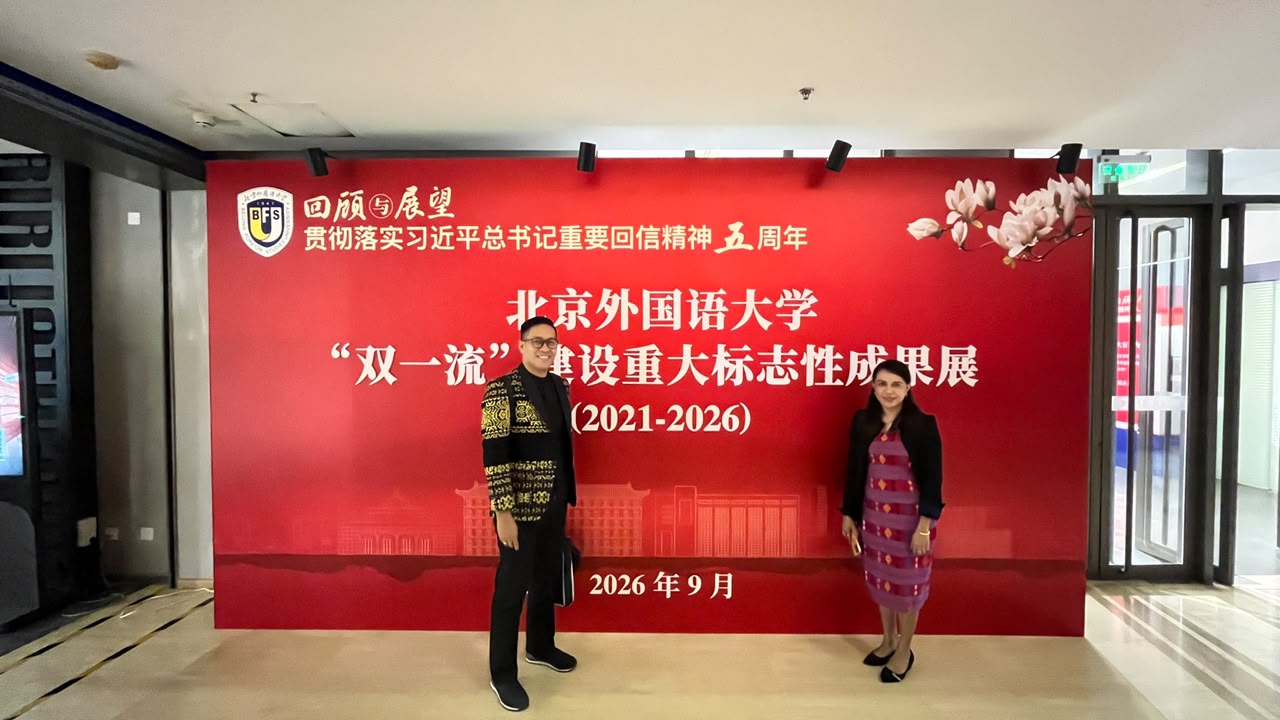
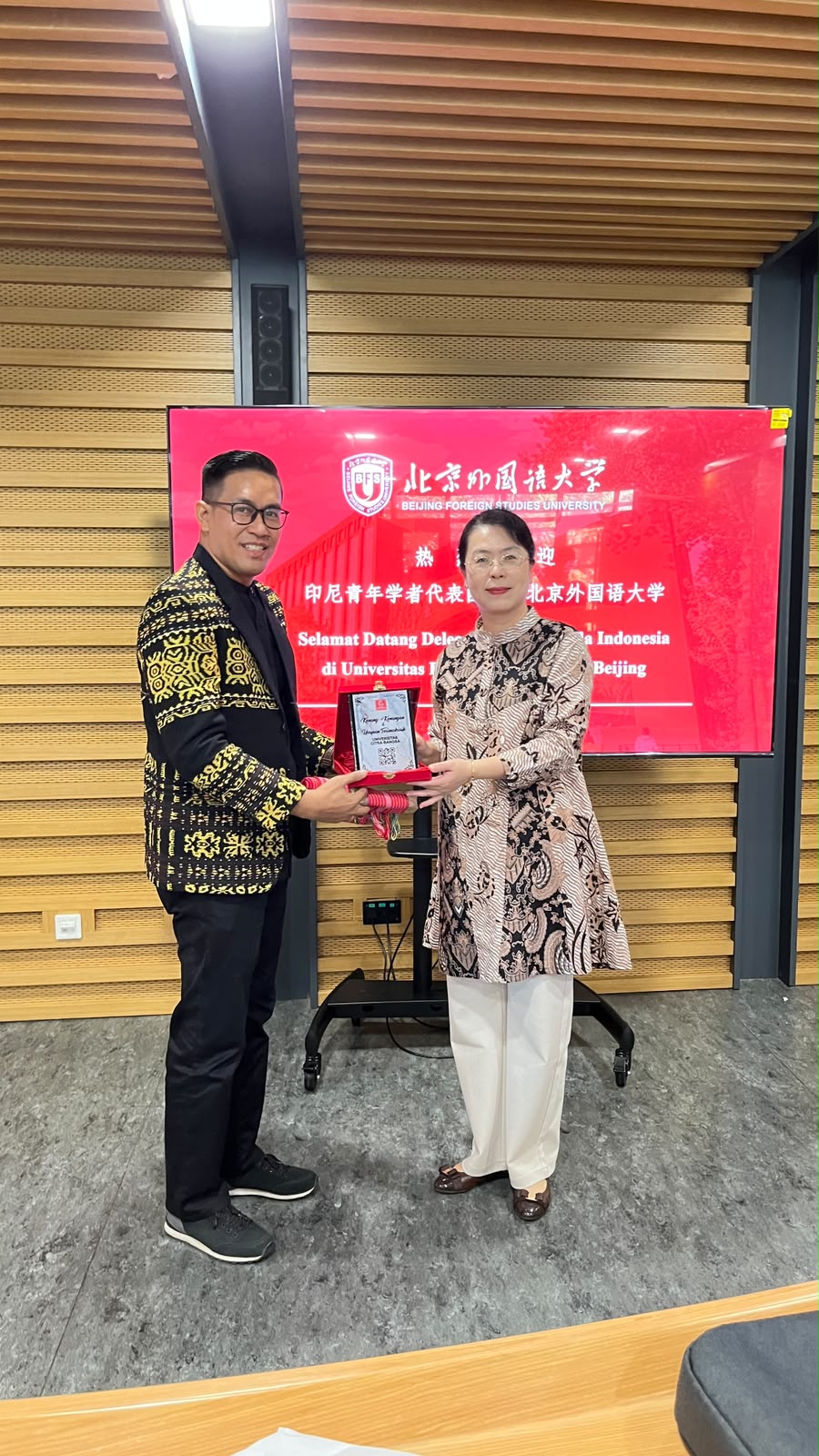
 University Citra Bangsa (Laughter)UCB) Kupang Take part in the Kang Cing Wie program organized by the People's Republic of China Consulate in Denpasar. These events bring together a number of colleges from Bali, Western Nusa and Southeast Nusa in order to strengthen education, culture and academic cooperation in Indonesia.
In the activities, Jhon Enstein, S.Kom., M.Cs, along with Dr. Agnes Maria Rafael, S.Pd., M.Hum. of University.
Citra Bangsa Kupang opportunity to present a Chinese-based study KupangHistory, Language Shift, Cultural Adaptation & Ancestral Identity at Beijing Foreign Studies University (BFSU).This presentation held the history of the Chinese public presence at
Kupang, changes the use of Chinese language, as well as the continuity of ancestral identity and heritage in the city's society Kupang. The paper puts Kupang As a space meeting of trade history, migration, and cultural interaction in the Eastern Southeast Nusa region.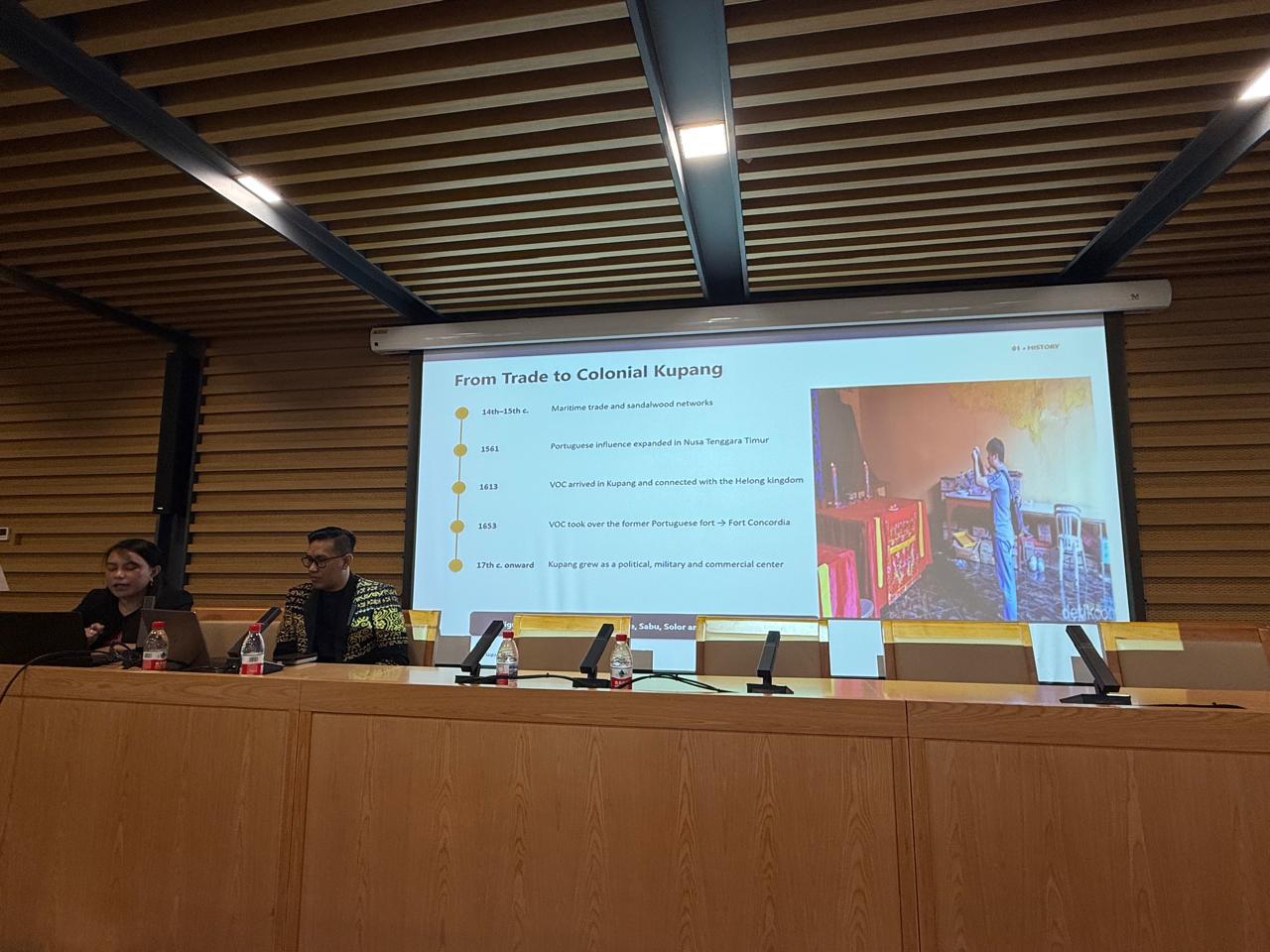 # # Welcome Live Dean of the School of Asia BFSU Studies
The coming delegates are welcome live by Dean of the School of Asia's School of Beijing Foreign Studies University, Professor Su Yingying. In his speech, Prof. Su Yingying introduced BFSU as a college that stood in 1941 and had 101 foreign majors.
BFSU also has an Indonesian and Malaysian study program, which is an important part in developing language and academic studies between China and countries in Southeast Asia. On that occasion, BFSU is referred to as a class of 66 worlds.
It became an important part of academic activity because it showed the attention of BFSU to developing language, culture, and educational relationships with colleges in Indonesia.
# # Lift the history and legacy of Chinese culture in
Kupang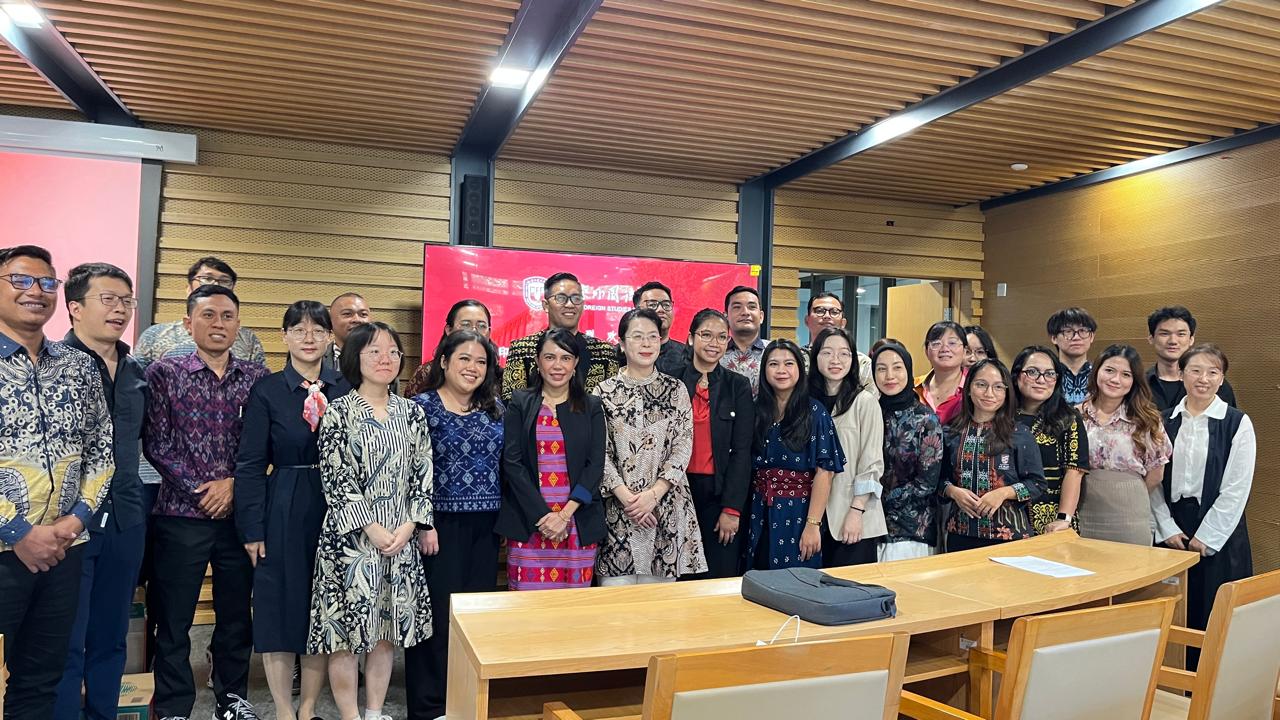 In his presentation, Jhon Enstein and Dr. Agnes Maria Diana Rafael explained that Kupang has a long history of territory connected to the maritime trade network. The sales of sandalwood and mobility of communities from various regions have also formed development Kupang as the center of trade, politics, and cultural meetings.
It also discussed the presence of Chinese society in the
Kupang which in the historical sources of research has been associated with trading activity since the 18th century. Over time, that presence evolved into family, community and cultural practice that became part of the social landscape and the history of the City Kupang.One of the spaces of cultural heritage that concerns study is LLBK's Abu Daylight House in the Lahilai Bissi Cohan (LLBK) region. The ash house is seen as the ancestral and genetic chamber that holds family history as well as the collective memory of Chinese society in
Kupang.# # Change in the Language and Eternal Identity of the Ancients
Presented studies use linguistic approaches of landscape, linguistic change of language, and cultural identity to understand the relationship between language, history and ancestral representation.
Based on documentation of 706 texts and signs found in research locations, Indonesia became the dominant language, while the Hanzi character had very limited vision in public space. However, Hanzi characters and cultural symbols are still found in these ancestral spaces that have historical and powerful genetic significance.
The findings show that changing language usage doesn't necessarily mean loss of cultural identity. The heritage of the ancestors can remain nurtured through the ancemic space, the characters, the architectural symbols, the memory of history, and the involvement of education.
This presentation also emphasizes the importance of advanced research through interviews and observations to understand the practice of family language, the relationship between generations, and the form of cultural adaptation more thoroughly.
# # Followed College and Institute of Academy
The Kang Cing Wie program at Beijing Foreign Studies University was followed by participants from a number of colleges in Bali, Southeast West Nusa, and Southeast Nusa East. Other than the University delegation
Citra Bangsa, this activity also attended the participants of Peking University and CIDGA.The presence of participants from various colleges enriched the exchange of ideas about education, language, culture and academic cooperation between Indonesia and China.
For University
Citra Bangsa, participation in this activity is an opportunity to introduce the history and wealth of Eastern Southeast Nusa culture in international academic forums. The Chinese cultural heritage in Kupang It also opens a dialogue space about the importance of conserving local cultural identity through research, education, and inter-college collaboration.Through these activities,
UCB Increasing international cooperation and academic contributions to introducing the potential history and culture of Eastern Indonesia to global academic societies.